
Going into the Dark to Find a Solution
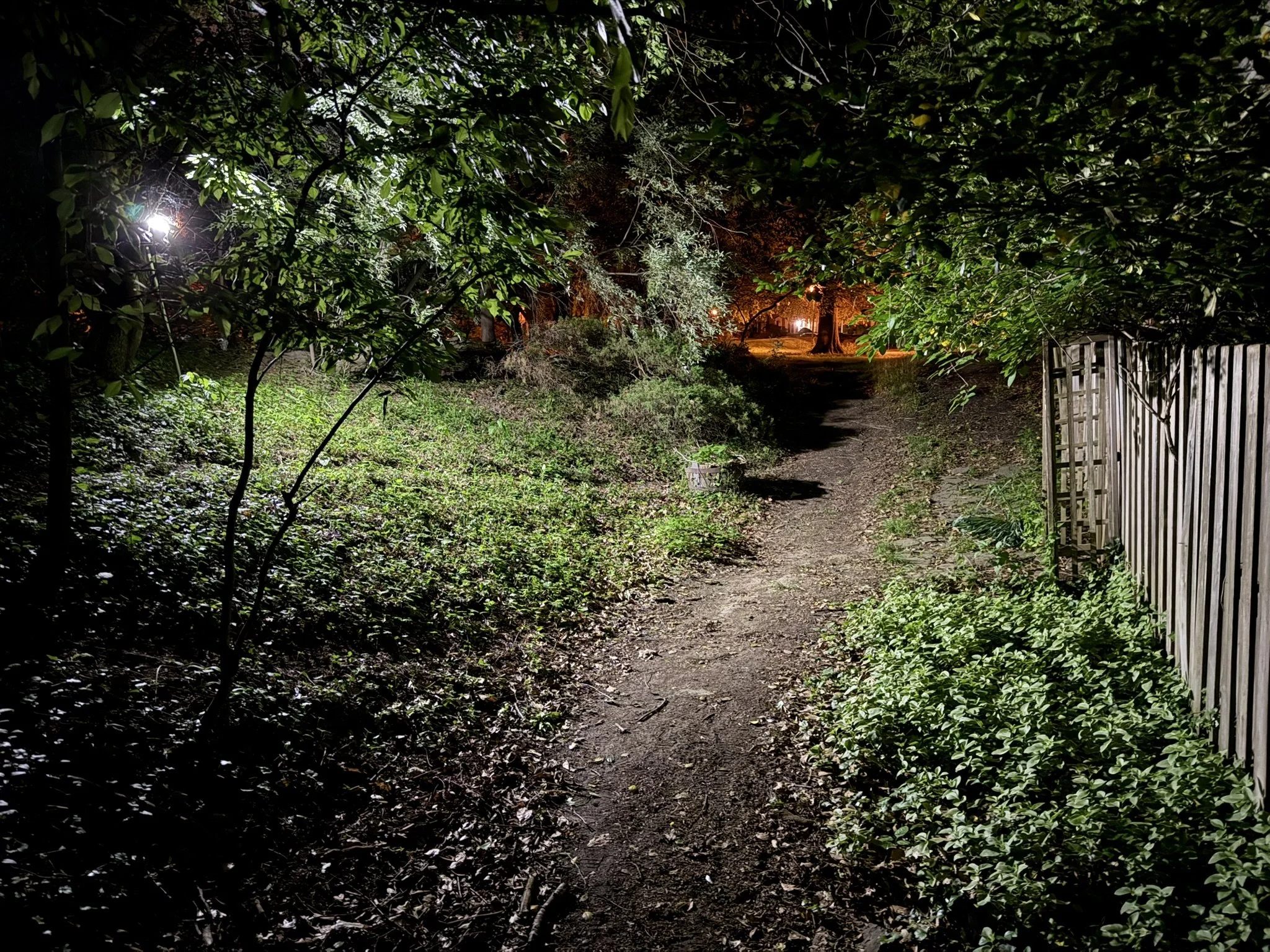
Photograph by Chad C. Carmack
One of the best ways to gather information is to go to the problem area. Solving problems from a distance can lead to mistakes and unintended consequences.
I just finished eating and was placing dishes into the kitchen sink. Just before I started doing the dishes, I had pulled all of the kitchen blinds. It was dark outside, and this was a normal routine.
Outside of the kitchen window is a porch. For security, a video security camera is on the porch, but it only captures the side with the front door. The left side of the porch, along with the kitchen window, isn't visible on the security camera.
As I worked on my chores, washing the dishes, I walked right by the window. Suddenly, there was a loud pounding on the window. I was immediately startled. Adrenaline was flowing through my body. The situation was totally unexpected. Someone was standing five feet from me, with only a window and the curtain between us. Who was on my porch?
Although startled, I had a plan for a home invasion. I moved into action to secure my location in the house. I was prepared for and had practiced what to do if an intruder crashed through a window or door.
Checking the outside camera on my phone was part of the immediate plan. No one was visible, but using the replay, I could hear the pounding followed by running.
Youth in my neighborhood have been startling neighbors by kicking doors and slamming on windows to startle those inside.
The intrusion was a wake-up call. I knew I had to do something to stop the pranksters or even burglars. If a youth knew about my security problem, a professional criminal might too.
The youth moved to my porch window and escaped in the dark. The entire side of my house is dark and has no security camera. I got the message loud and clear: the side of my house was too dark, and the prankster knew where my camera was.
I started thinking about how to solve the problem, but it wasn't a quick fix. Putting up security cameras and security lighting is not something you do fast. You have to think strategically.
Unfortunately, no one told the neighborhood youth that I was working on the problem. Several days later, I was in my basement working on another project. I jumped when an outside intruder aggressively shook the basement window with several hard strikes - I am amazed the glass did not shatter. Again, the youth used the darkness to cause alarm.
It was time to take action. I needed to address this problem. To make the best decision, I had to go outside in the dark and see what my adversary saw.
The view was telling. First, one light would not fix my problem. I would need several security lights. I used a flashlight to evaluate angles and coverage needs.
The night view also showed a positioning challenge if I used sensor-activated lights. If positioned incorrectly, passing cars would trigger the lights.
Next, sensor lights can pick up more than passing cars. My flashlight found branches casting shadows, moving in the wind ─ another potential problem I found during my nighttime evaluation.
Finally, I found a good position, but I looked down. I was standing on a deer path. Putting a security camera there would work but only for a few days. The deer would knock over the light and the stand holding it. I moved it a few feet over.
Since I put up security lights on the dark side of my house, unruly youth trying to prank neighbors haven't disturbed me.
My situation was a good reminder of a few basic problem-solving principles:
While considering solutions, go to the problem site. Don't try to fix things without a clear perspective of the problem. In my case, I went into the dark and found the best locations for my security lighting. Be prepared to visit and observe. Making decisions from a distance increases the risk of a poor result.
When you're faced with an urgent problem, don't put it off. You must find a way to solve the problem in a reasonable time.
When the problem is not urgent, you must think first. Think first and make the best decision to solve the problem. Don't rush in without considering different perspectives.
Always be ready for those situations where life happens, and problems occur. When you encounter situations like the youthful prankster, be ready to observe from the perspective of the person or thing causing the challenge. If you have to investigate in the dark, do it.
Questions:
Share a time when your decision might have improved if you had taken the time for a visit to observe.
Why might the principles shared in this article apply to leadership?
When you have time, why is it important to think first when faced with a challenge?
Mentoring perspective:
Our mentees will benefit from learning to think first when life comes at them. We all face challenges; they come from all directions, and some are urgent. We may need to respond quickly, but when we have the opportunity to think first, our decisions can improve results. Moving too fast can sometimes be a problem.
